Game Objective
Pinochle players work in teams of two with the hopes of scoring a predetermined number of points first. Those points are scored through a combination of melding and trick-taking.
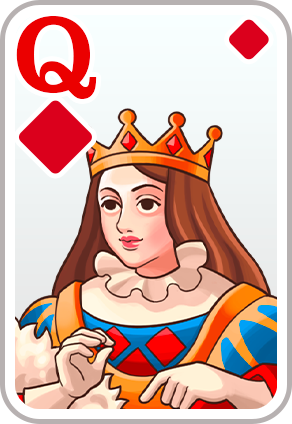
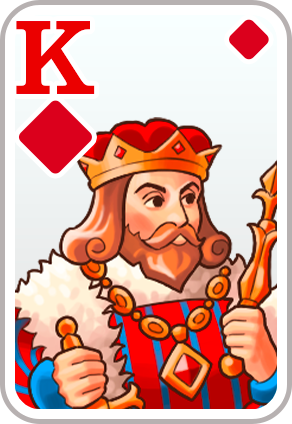
Pinochle’s meld cards are particular to its rules and include combination like a “Marriage” (a King and Queen of the same suit) and a Pinochle (Queen of Spades and Jack of Diamonds).
As in many trick-taking games, each hand has a trump suit that can win the trick unless a higher-valued trump card is played.
Equipment and Setup
Required Materials
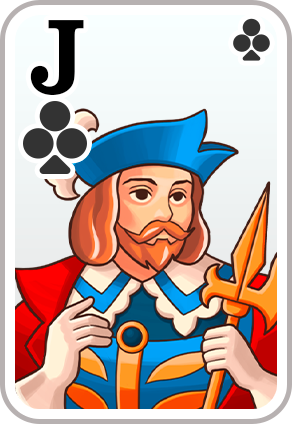
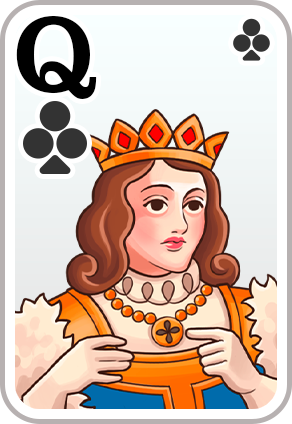
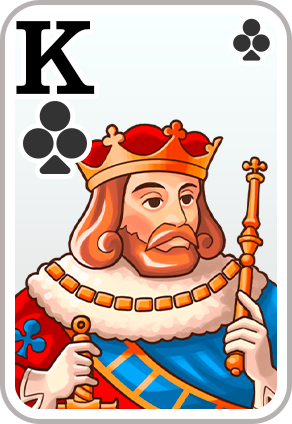
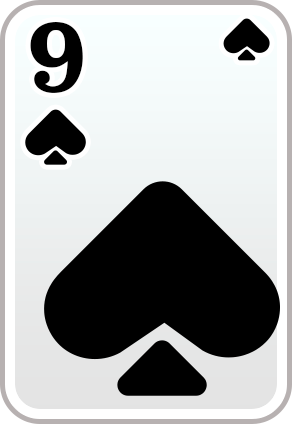
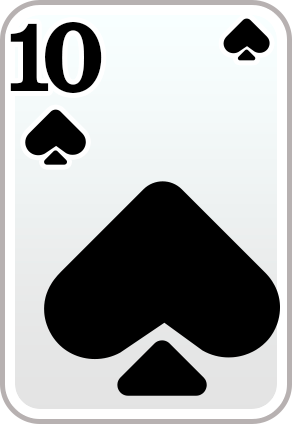
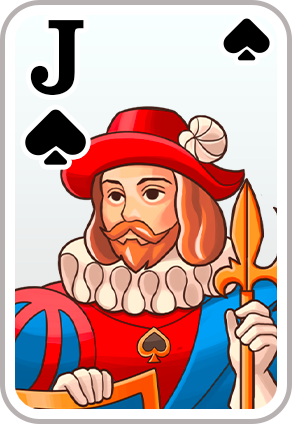
A standard Pinochle deck uses 48 cards: two of each rank (9, 10, Jack, Queen, King, and Ace) from all four suits (Hearts, Diamonds, Clubs, and Spades).
Pinochle.com supports double deck variant (usually without the 9s), which means the total number of cards will be 80.
Jokers are not usually used.


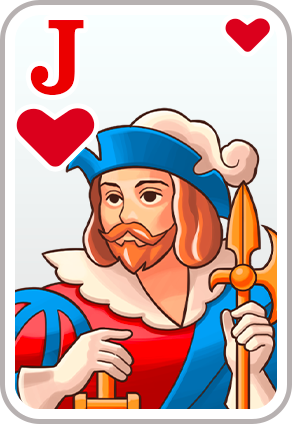
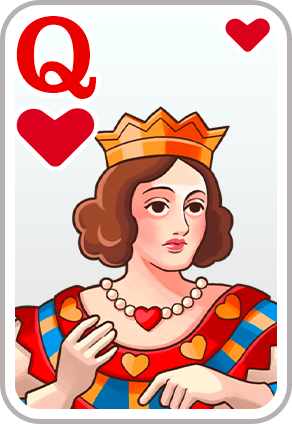
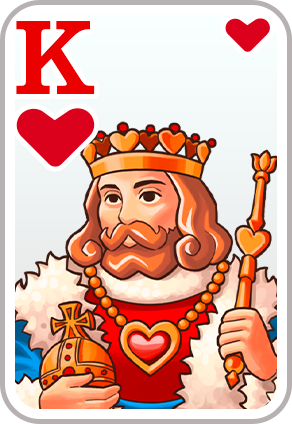


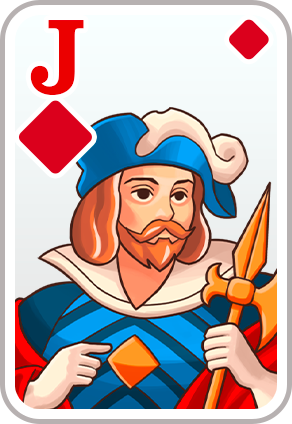



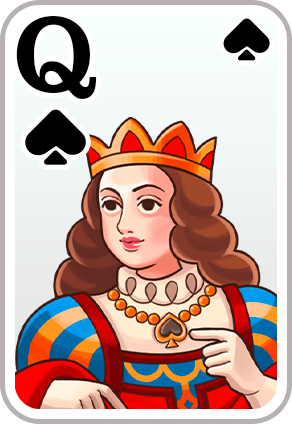
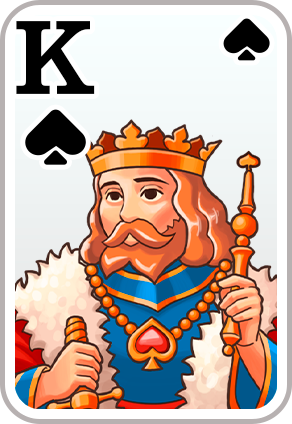
Initial Layout


Card Distribution and Game Start
The pinochle start is unique, by associating two card game mechanics : melding and tricking. Below section will explain the beginning of the game.
Dealing and playing proceed counter-clockwise.
The distribution will be as follows:
Dealing Cards : four-player variant
Dealing Cards : three-player variant (Cutthroat)
Order of Play
Starting with the player to the left of the dealer, each player has the opportunity to bid on the number of points they predict their partnership can earn.
The player with the highest bid is the Declarer. They select the hand’s trump suit. They can also swap cards from the kitty (for 3-player variant) with cards from their own hand.
If the bidding team fails to make their predicted points total, they suffer a penalty.
Turn Structure
The melding
After bidding, and before trick-taking begins, players lay their meld and tally points.
If you have any valid melds, it time to reveal them and count your points. The meld points will get immediately to your score.
Find below an example of combination (called Double Run) brings 1500 points !!
Trick Taking
The declaring player then plays first, and tricks are won this way: the highest-ranking card of the trump suit wins the trick, if no trump is present, the highest-ranking card of the suit first played wins the trick.
Players must adhere to a set of rules that dictate which cards can be played. They are as follows, in descending order of application:
- Follow Suit: You must follow the suit of the trick’s first card.
- Win the Trick: If you can win the with a higher card of the same suit, you must win the trick.
- Play Your Trump: If you cannot follow suit and have a trump card, you must play your trump card.
In the event that two identical cards are played, the card played first counts as higher.
Scoring System and Winning Conditions
Point Calculation : Melds
Points awarded for different meld combinations are one of the most unique aspects of Pinochle. Inexperienced players often keep a small reminders with the combinations and their points values.
Pinochle meld points are as follows:
- Aces Around (an Ace from each of the four suits): 10 points
- Kings Around (a King from each of the four suits): 8 points
- Queens Around (a Queen from each of the four suits): 6 points
- Jacks Around (a Jack from each of the four suits): 4 points
- Pinochle (Jack of Diamonds and Queen of Hearts): 150 points
- Runs: 15 points for a run of 15 cards
- Marriages (a King and Queen of the same suit): 20 points for a marriage of 2 cards
- Other Melds: Depending on the specific ruleset or house rules you’re following, other card combinations may count as points
Point Calculation : Tricks
After all the tricks have been played, each team’s total from won cards is added to their meld total.
Cards taken in tricks are scored as follows:
- Aces, Tens, and Kings are each worth one point
- Queens, Jacks, and Nines have no point value
- The team that wins the last trick earns an additional point
- There are 250 total points available from tricks
Game End
Specific Rules and Exceptions
Common Pinochle variations include changing the number of players, usually from four to three, and changing the total point target.
A two-player variation exists where players each have double hands.
In some versions, the members of the declaring team exchange cards before tricks are played or meld revealed.
Other variations change what counts as meld and how many points they are worth.